

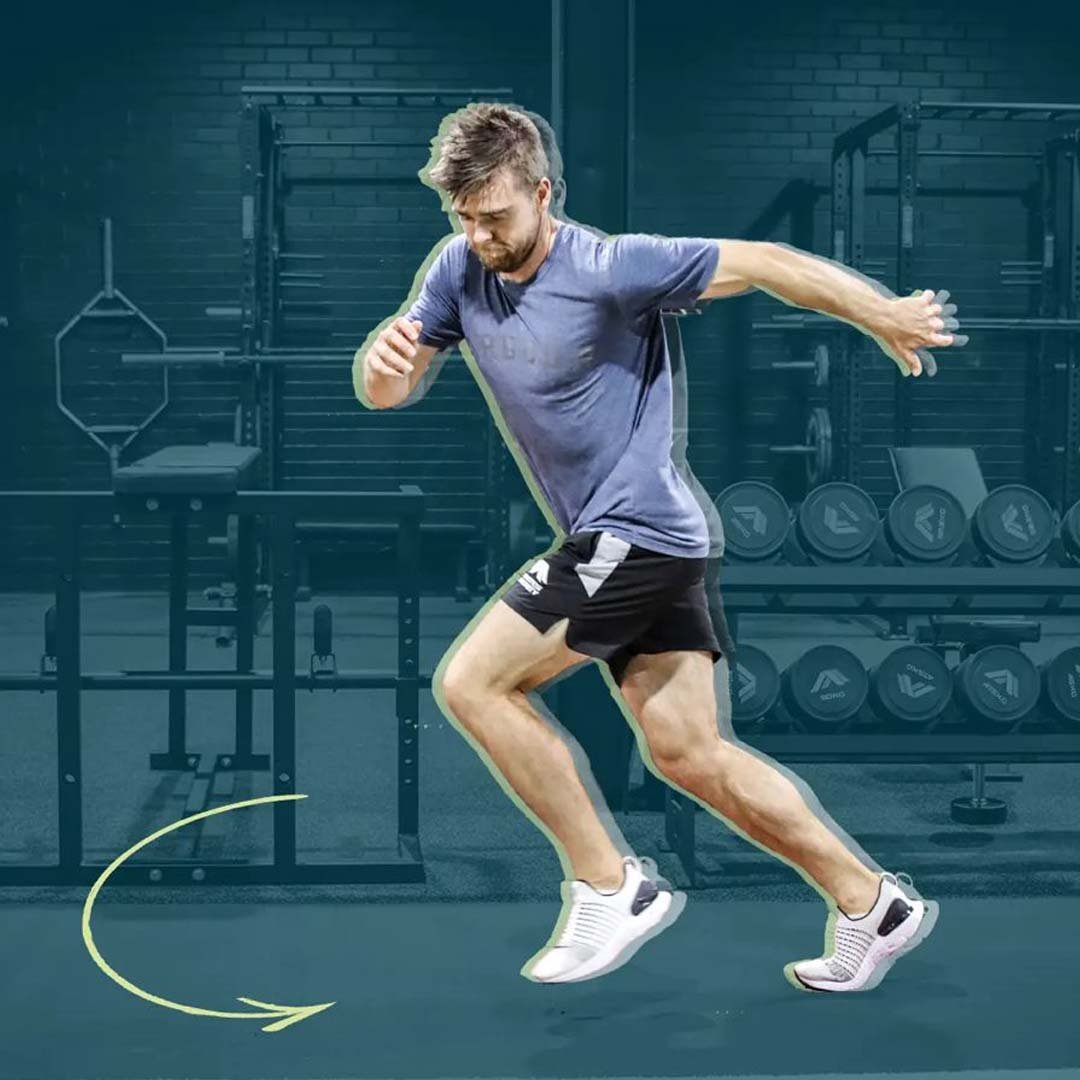
Agility and endurance are two essential components of physical fitness that directly influence performance, injury prevention, and long-term health. Whether you are an athlete, a fitness enthusiast, or someone recovering from an injury, structured agility and endurance training can improve your strength, coordination, and energy levels. As physiotherapists, we focus on safe, evidence-based approaches to optimize both agility and endurance while minimizing the risk of strain and overtraining.
What Is Agility Training?
Agility is the ability to change direction quickly, maintain balance, and react efficiently during movement. It is crucial for sports like football, basketball, tennis, and even daily tasks such as avoiding obstacles while walking. Physiotherapy-based agility training focuses on improving:
- Neuromuscular coordination – communication between the brain and muscles.
- Dynamic balance – stability while moving in multiple directions.
- Reaction time – ability to respond quickly to external stimuli.
Common physiotherapy-guided agility drills include ladder exercises, cone drills, plyometrics, and multidirectional running patterns. These enhance reflexes, speed, and joint stability.
What Is Endurance Training?
Endurance is the capacity to sustain prolonged physical activity. It is essential not only for athletes but also for individuals aiming to improve cardiovascular health, maintain healthy body weight, and build resilience against fatigue.
There are two main types:
- Cardiorespiratory endurance – ability of the heart and lungs to supply oxygen to working muscles (e.g., long-distance running, cycling, swimming).
- Muscular endurance – ability of muscles to sustain repeated contractions over time (e.g., squats, planks, push-ups).
Physiotherapists design endurance programs that balance aerobic and anaerobic exercises, ensuring progression is gradual and suited to individual capacity.
Benefits of Agility & Endurance Training
- Improved Performance – Enhances speed, stamina, and efficiency.
- Injury Prevention – Strengthens muscles, ligaments, and joints.
- Better Coordination – Improves movement control and reaction time.
- Cardiovascular Health – Lowers risk of heart disease, hypertension, and diabetes.
- Enhanced Recovery – Supports rehabilitation after musculoskeletal injuries.
- Mental Well-being – Reduces stress and boosts confidence.
Evidence-Based Physiotherapy Approaches
At MY PAIN CLINIC GLOBAL, physiotherapists adopt scientifically proven methods to integrate agility and endurance training into rehabilitation and sports conditioning:
- Functional Movement Training – Correcting faulty movement patterns before advancing to high-intensity drills.
- Interval Training – Combining bursts of high-intensity activity with rest periods to improve endurance.
- Proprioceptive Training – Exercises on unstable surfaces to enhance agility and joint stability.
- Gradual Overload – Increasing intensity, duration, or complexity step by step to avoid overtraining.
- Sport-Specific Drills – Tailoring exercises to match the demands of each sport or activity.
Who Can Benefit?
- Athletes – To improve performance and prevent sports injuries.
- Rehabilitation Patients – To regain mobility and endurance after injury or surgery.
- Fitness Enthusiasts – To build strength, balance, and stamina.
- Older Adults – To maintain independence, stability, and cardiovascular health.
Safety Considerations
Before starting any agility or endurance program, a physiotherapist evaluates:
- Medical history (heart conditions, joint issues, diabetes).
- Fitness level and mobility.
- Presence of pain or previous injuries.
Safety guidelines include:
- Warm-up and cool-down routines.
- Proper footwear and supportive surfaces.
- Hydration and rest between sessions.
- Progression tailored to the individual.
Conclusion
Agility and endurance training are not just for athletes—they are vital for everyday health, rehabilitation, and long-term wellness. With the right physiotherapy guidance, these training methods can improve coordination, stamina, and overall physical performance while minimizing the risk of injury.
Take control of your fitness and recovery with evidence-based physiotherapy. Book your session with MY PAIN CLINIC GLOBAL today and experience safe, effective agility and endurance training designed just for you.