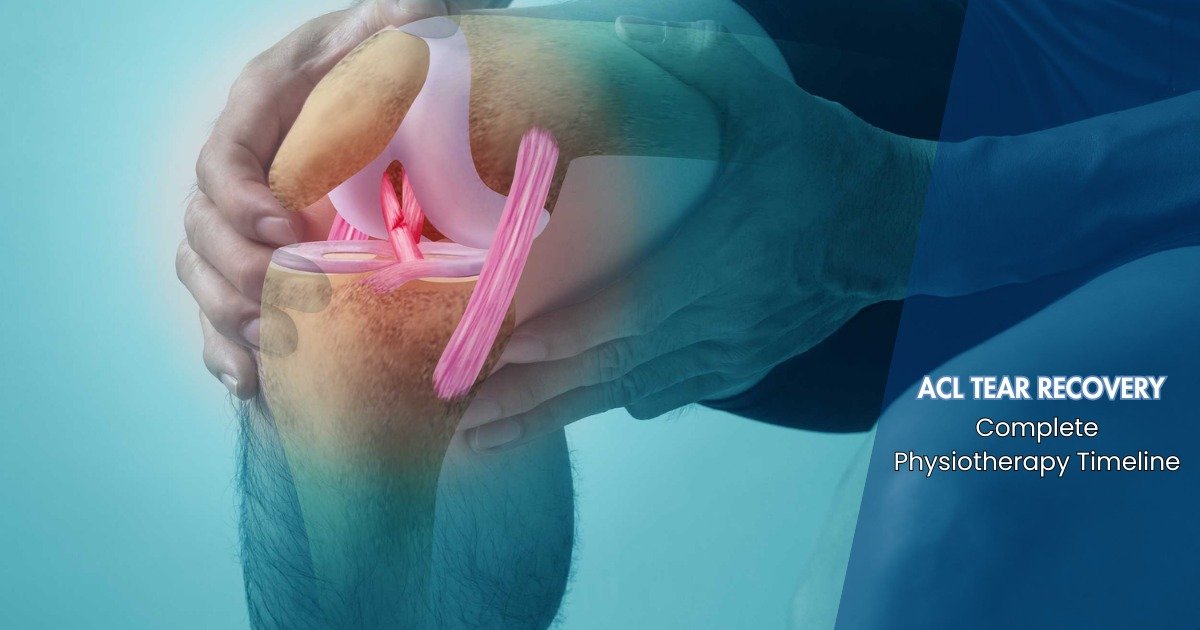
An ACL (Anterior Cruciate Ligament) tear is a significant knee injury that affects stability, strength, and overall movement. Whether managed conservatively or post-surgery, recovery depends on a structured and progressive physiotherapy program. Modern rehabilitation has evolved with the inclusion of photobiomodulation (laser therapy), which enhances healing and improves recovery outcomes.
If you are experiencing knee pain during daily activities, understanding the root cause is essential. You can also read more about knee pain while walking and its treatment options to identify early warning signs and prevent further damage.
At My Pain Clinic Global, Bandra West, Mumbai, recognized as one of the best physiotherapy centres in Mumbai, ACL rehabilitation is carried out using advanced physiotherapy protocols, combining clinical expertise with technologies like photobiomodulation for faster and more effective recovery.
Understanding ACL Injury
The ACL is a crucial ligament that stabilizes the knee during activities involving movement, direction changes, and load-bearing. When torn, it leads to pain, swelling, instability, and difficulty in walking or performing daily activities. Recovery is not limited to healing the ligament alone but involves restoring complete strength, coordination, and functional stability of the knee.
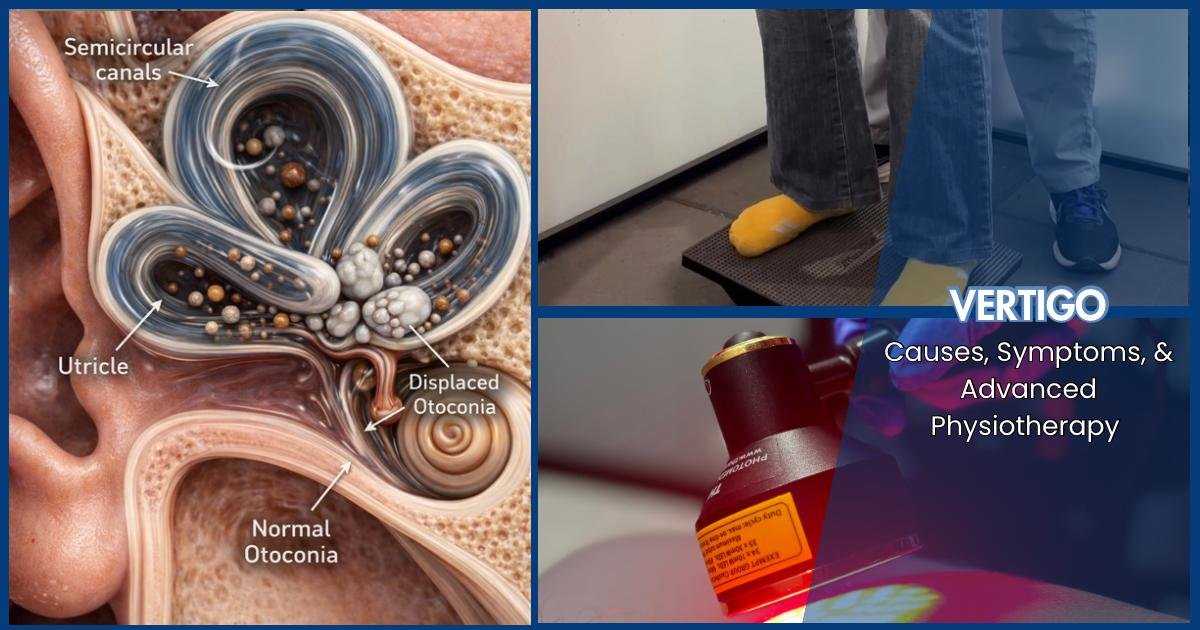
Many patients also experience associated symptoms such as dizziness or imbalance during recovery. In such cases, understanding conditions like vertigo and its physiotherapy treatment can provide additional insights into balance rehabilitation.
How Photobiomodulation Helps in ACL Recovery
Photobiomodulation (laser therapy) works at a cellular level by delivering specific wavelengths of light into the injured tissues. This stimulates mitochondrial activity, increasing energy production within cells and accelerating tissue repair. It enhances collagen synthesis, which is essential for ligament healing, while also reducing inflammation and swelling in the affected area. Improved blood circulation further supports faster delivery of nutrients and oxygen to the healing tissues.
As a result, patients experience reduced pain, quicker recovery between sessions, and a smoother rehabilitation process. When integrated consistently into physiotherapy, photobiomodulation helps shorten recovery timelines and improves overall outcomes without the need for medication.
This advanced therapy is also widely used in managing other musculoskeletal conditions such as plantar fasciitis and chronic heel pain, where faster tissue healing is required.
Complete ACL Physiotherapy Timeline
Phase 1: Acute Phase (0–2 Weeks)
The initial phase focuses on protecting the knee, reducing pain, and controlling swelling. Gentle range of motion exercises are introduced along with early muscle activation, particularly of the quadriceps. During this stage, reducing inflammation and initiating healing is critical for faster progression into rehabilitation.
Phase 2: Early Rehabilitation (2–6 Weeks)
As pain and swelling decrease, the focus shifts to restoring mobility and initiating controlled strengthening. Patients begin working on improving knee movement, correcting walking patterns, and gradually increasing weight-bearing capacity. This phase builds the foundation for further strengthening.
Phase 3: Strengthening Phase (6–12 Weeks)
This is a crucial phase where muscle strength and joint stability are significantly improved. Exercises target the quadriceps, hamstrings, and gluteal muscles while incorporating balance and proprioception training. Proper muscle activation ensures that the knee joint is supported effectively during movement.
Phase 4: Advanced Rehabilitation (3–6 Months)
Patients progress to dynamic and functional training. This includes agility drills, coordination exercises, and activity-specific movements. The goal is to prepare the knee for real-life demands and higher levels of physical activity while maintaining stability and control.
Phase 5: Return to Activity / Sports (6–9 Months)
Return to sports or full activity is only recommended once strength, balance, and movement patterns are fully restored. The knee must demonstrate stability under dynamic conditions, and the patient should be confident in performing all movements without pain or discomfort.
Surgical vs Non-Surgical Recovery
Not all ACL tears require surgery. Partial tears and less active individuals can often recover effectively with physiotherapy alone. In both surgical and non-surgical cases, a structured rehabilitation program is essential to achieve full recovery and prevent re-injury.
To understand whether surgery is necessary, you can explore a detailed comparison of physiotherapy vs surgery for orthopedic conditions, helping patients make informed decisions.
Why Advanced Physiotherapy Matters
At My Pain Clinic Global, Bandra West, Mumbai, ACL rehabilitation combines targeted strengthening, neuromuscular training, and advanced therapies such as photobiomodulation and deep tissue thermotherapy. This integrated approach ensures faster healing, improved strength, and long-term stability of the knee joint.
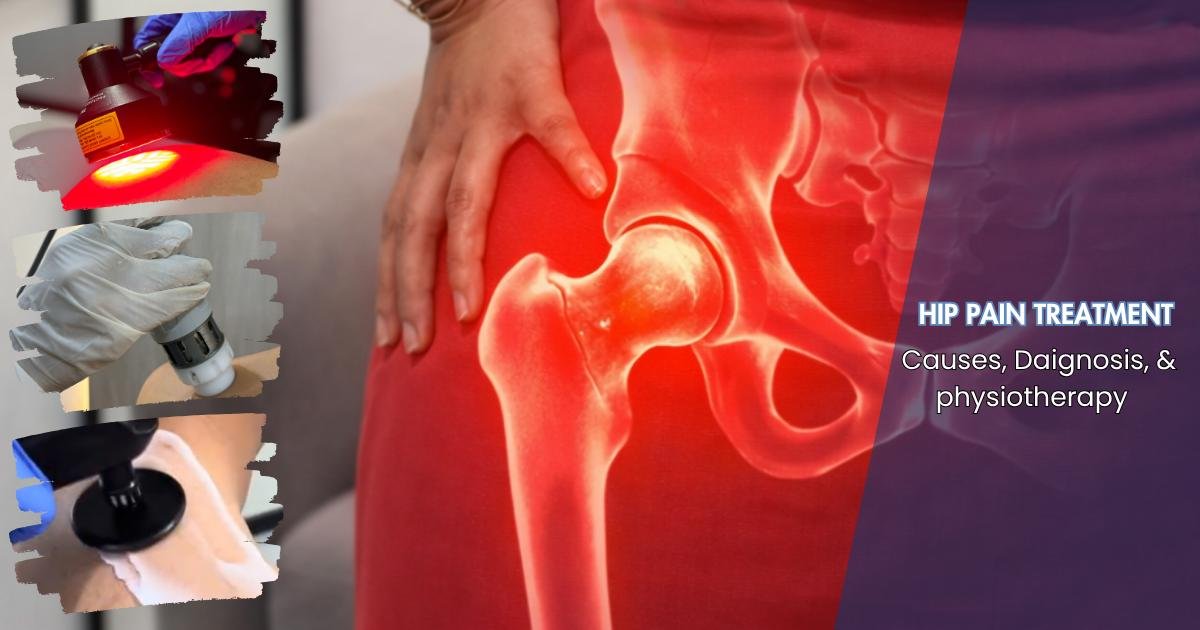
Advanced physiotherapy techniques are also highly effective in treating related joint issues like hip pain and mobility problems, ensuring complete lower limb rehabilitation.
Common Mistakes That Delay Recovery
- Returning to activity too early
- Skipping physiotherapy sessions
- Not following prescribed exercises consistently
Incomplete rehabilitation often leads to persistent weakness and increases the risk of re-injury.
Ignoring early symptoms—similar to what happens in cervical pain caused by poor posture or mobile use—can significantly delay recovery and worsen the condition.
Conclusion
ACL tear recovery requires a structured and disciplined approach. With advancements like photobiomodulation, healing can be accelerated, and outcomes can be significantly improved.
At My Pain Clinic Global, Bandra West, Mumbai, a leading physiotherapy clinic in Mumbai, patients receive advanced, non-surgical and post-surgical ACL rehabilitation designed for complete recovery. If you are dealing with any musculoskeletal issue, visiting a specialized physiotherapy clinic in Mumbai can ensure accurate diagnosis and effective treatment.
With the right treatment plan and consistency, patients can regain full strength, stability, and return to their normal activities with confidence.