

Psoriasis
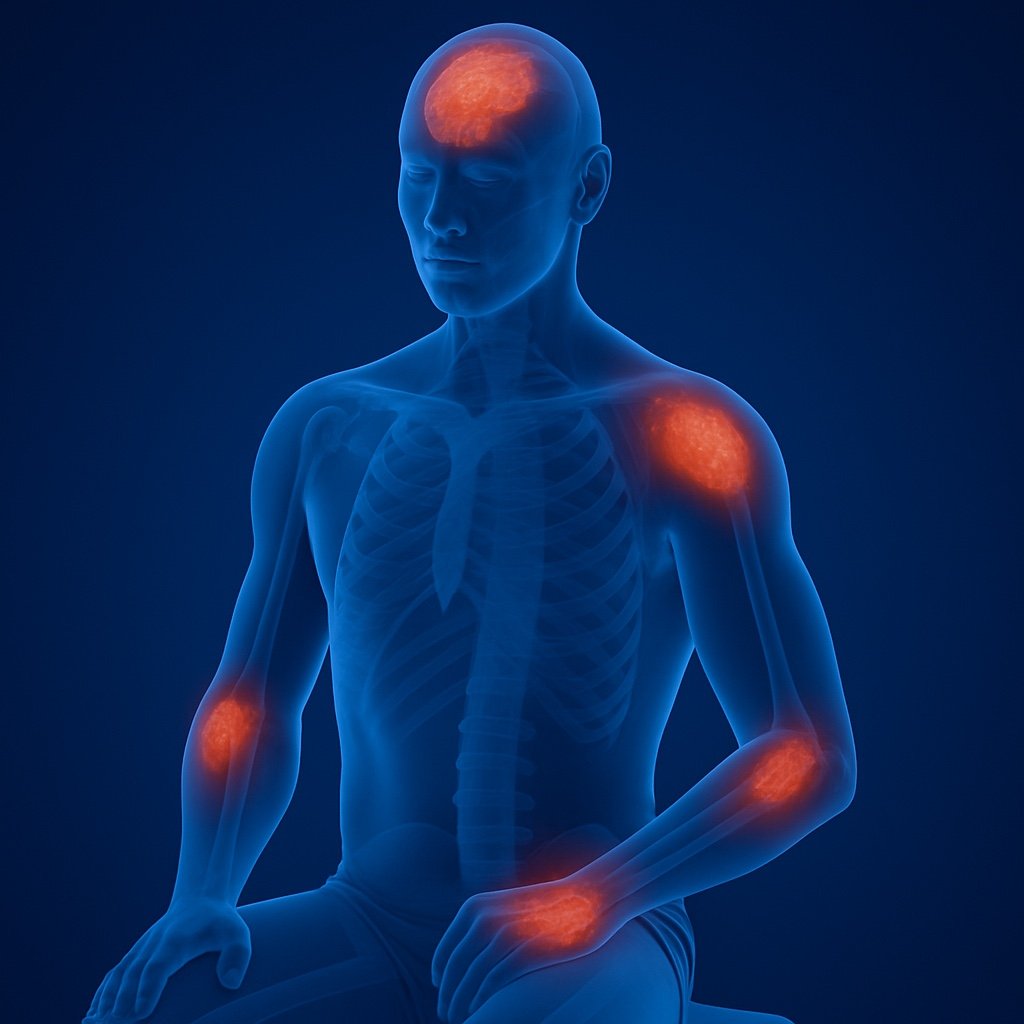
Psoriasis causes scaly skin patches and may also affect joints. Physiotherapy aids in managing symptoms through joint mobility exercises, reducing inflammation, and providing relief from discomfort, enhancing overall well-being.
Raynaud’s Disease
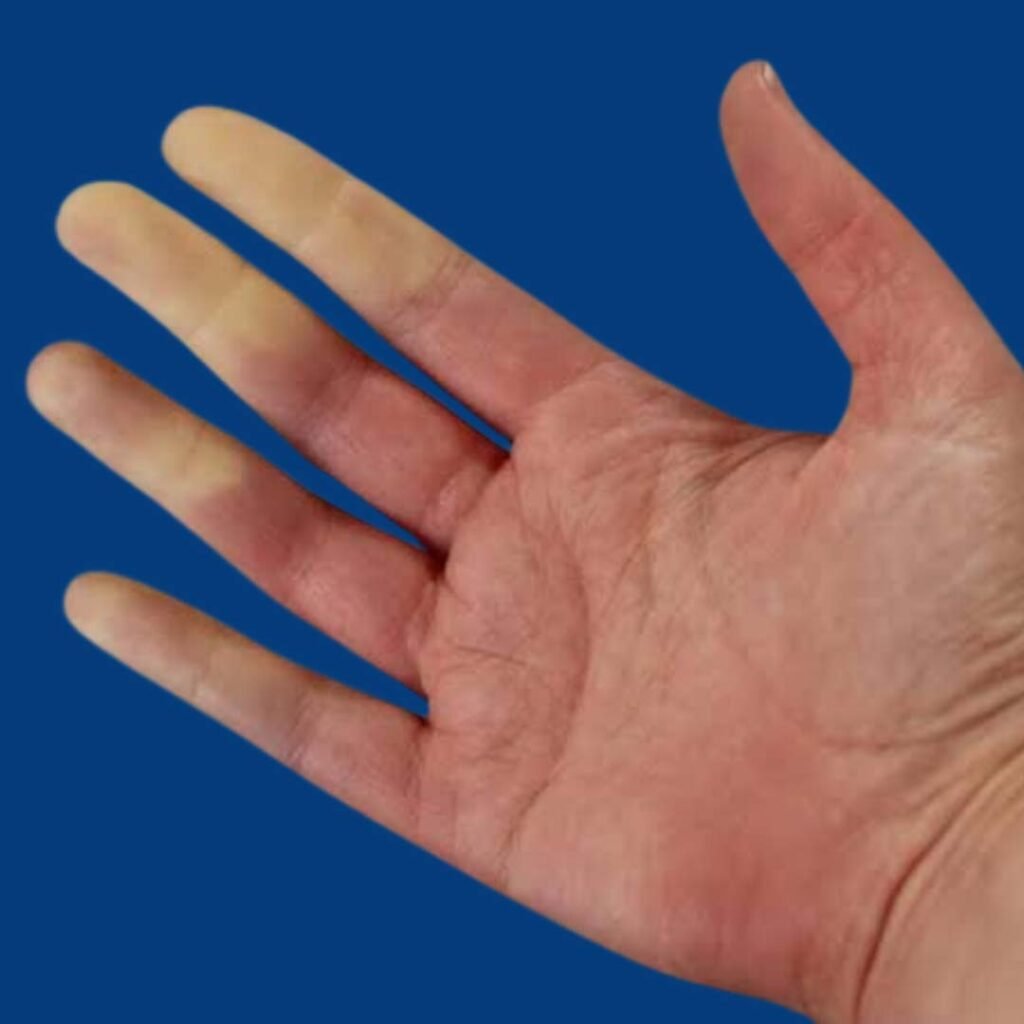
Raynaud’s disease causes blood vessel constriction in response to cold or stress, leading to color changes in the extremities. Physiotherapy helps by improving circulation and offering lifestyle tips to manage the condition effectively.
Insomnia

Insomnia involves difficulty falling or staying asleep. Physiotherapy helps manage this condition with techniques like relaxation exercises and sleep hygiene tips, promoting better rest and improved overall health.
Anemia
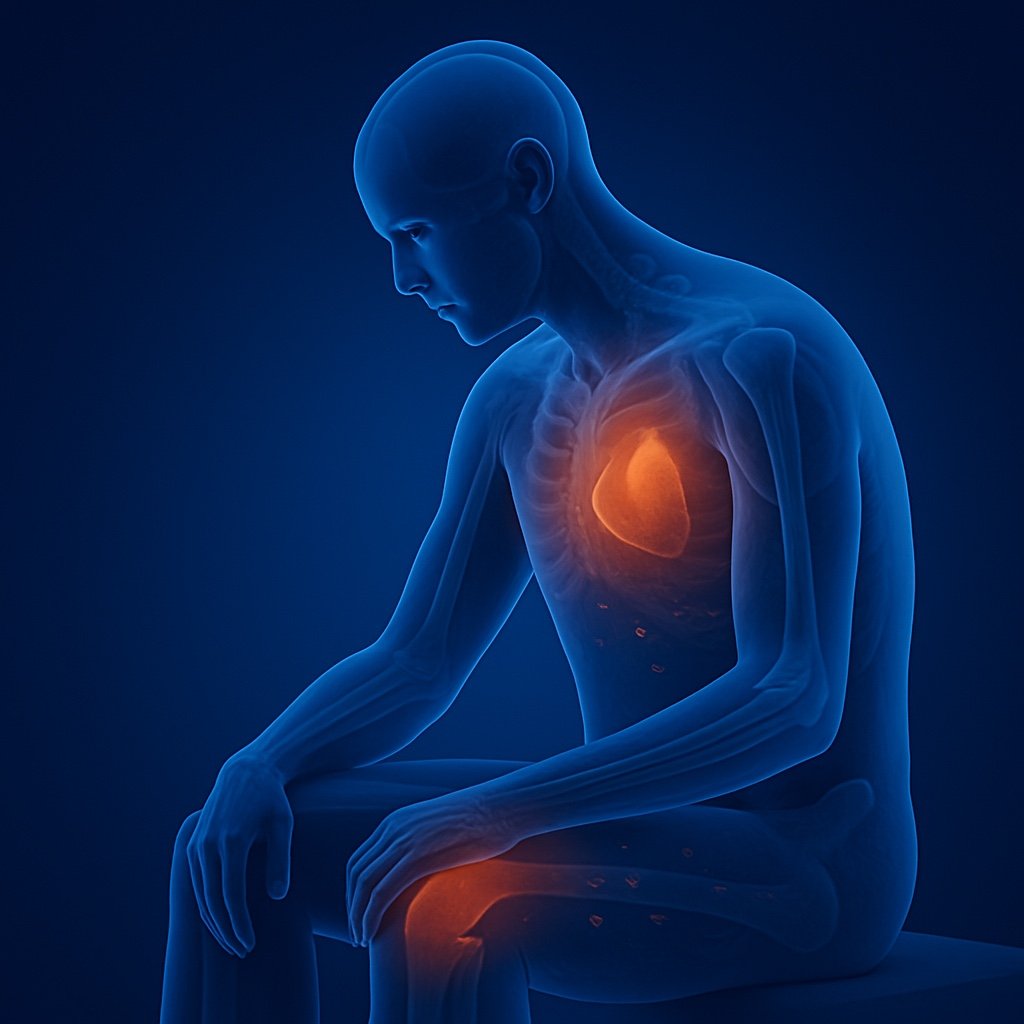
Anemia results from low red blood cell count, causing fatigue and weakness. Physiotherapy aids in managing symptoms and improving energy levels through customized exercise programs that enhance endurance and overall well-being.
Lifestyle Related Problems

Lifestyle-related problems like poor posture and inactivity lead to musculoskeletal issues. Physiotherapy helps manage and prevent these conditions through exercises and proper ergonomic guidance, ensuring better mobility and pain relief.
Fatigue
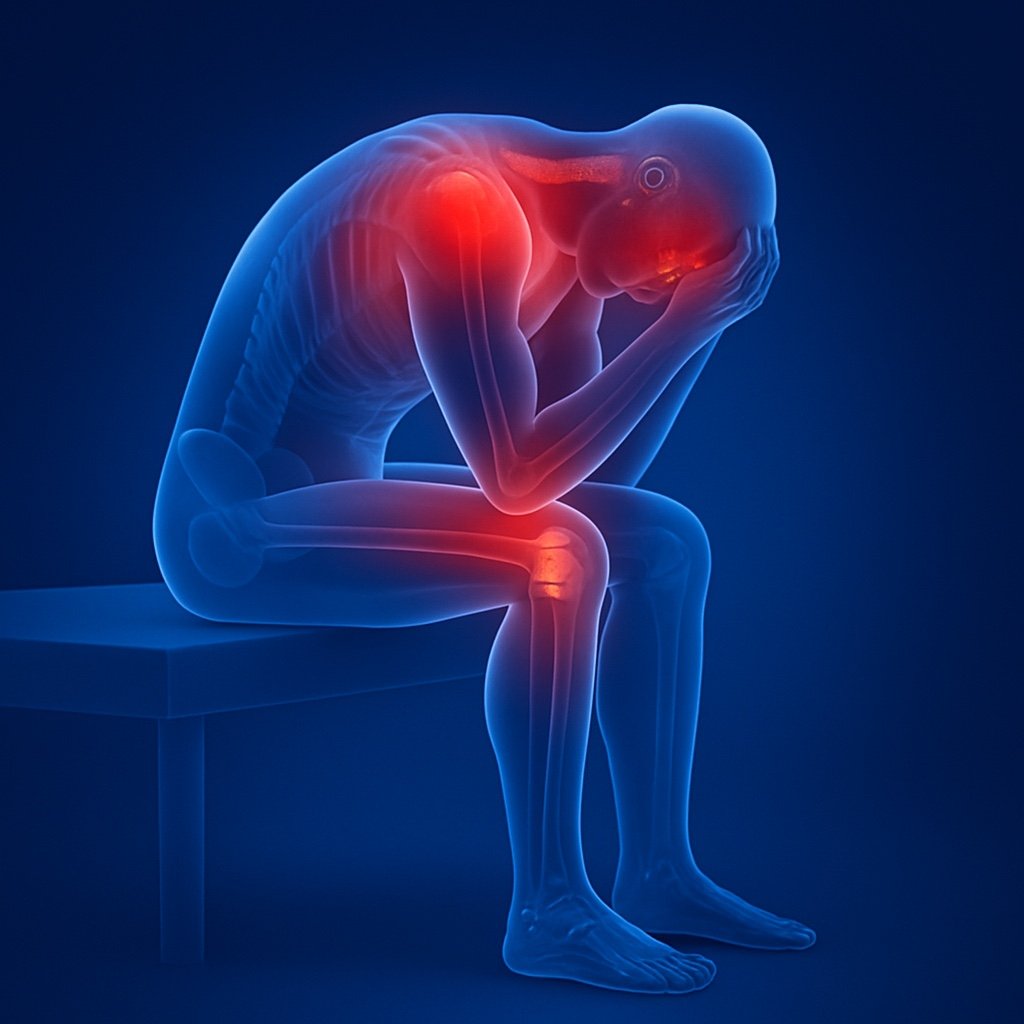
Fatigue is ongoing tiredness that doesn’t improve with rest. It can stem from stress, poor sleep, or underlying health issues. Addressing the root cause is essential for relief and recovery.
Gout
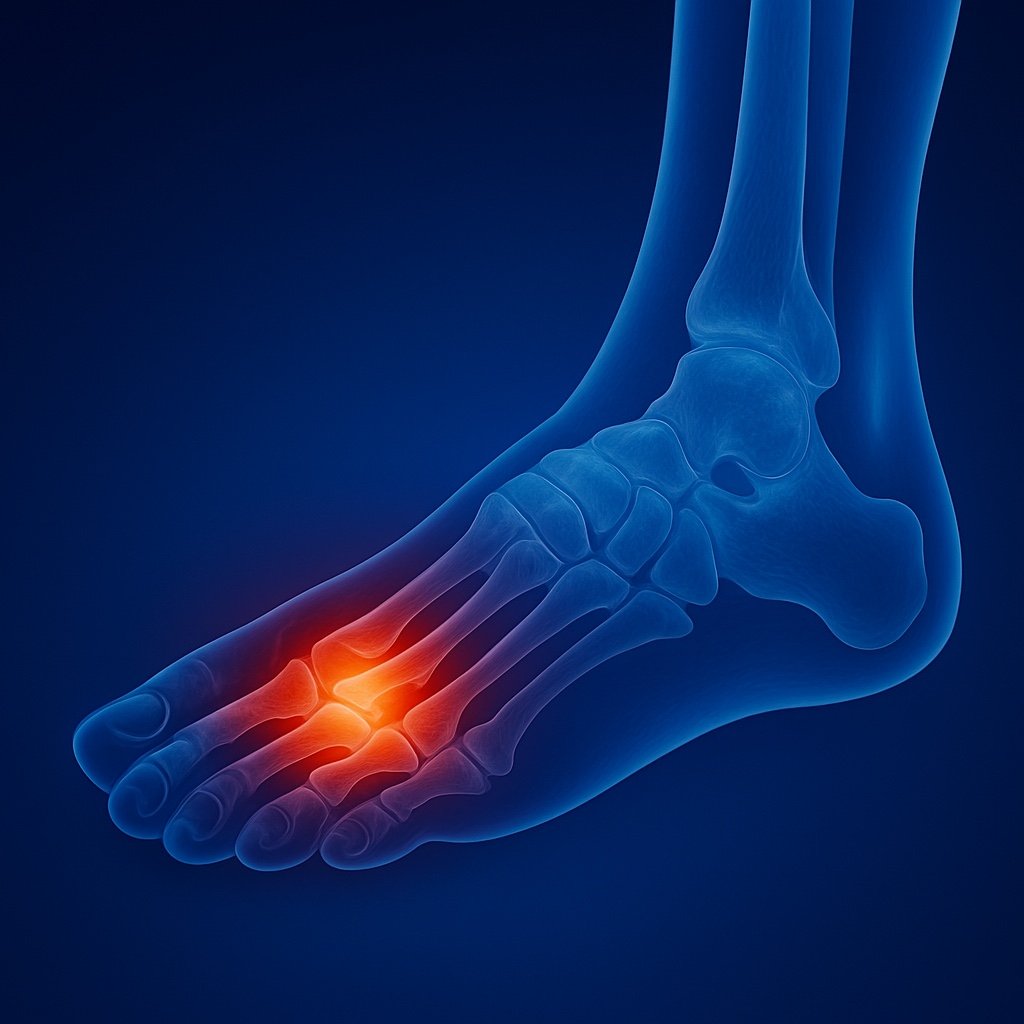
Gout is a painful form of arthritis caused by uric acid crystals in the joints, often affecting the big toe. Managing uric acid levels and adopting a healthy lifestyle can help prevent flare-ups.
Bed Sore
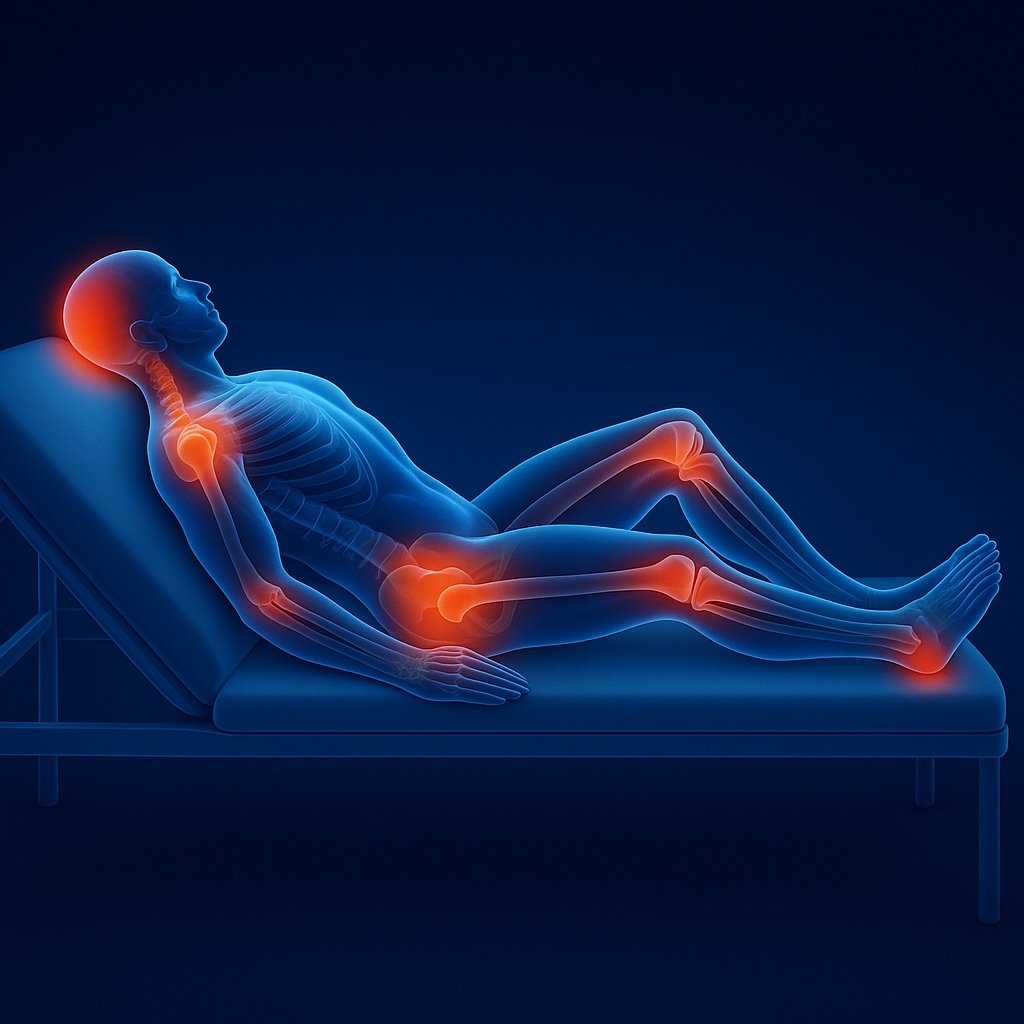
Bed sores are painful, open wounds caused by prolonged pressure on the skin. They often develop in vulnerable areas like the heels and hips and require prompt care to avoid serious complications.
Tarsel Tunnel Syndrome

Tarsal Tunnel Syndrome is caused by compression of the tibial nerve at the ankle, leading to pain, numbness, or tingling in the foot. It often results from injury or structural issues.
Kidney Disease
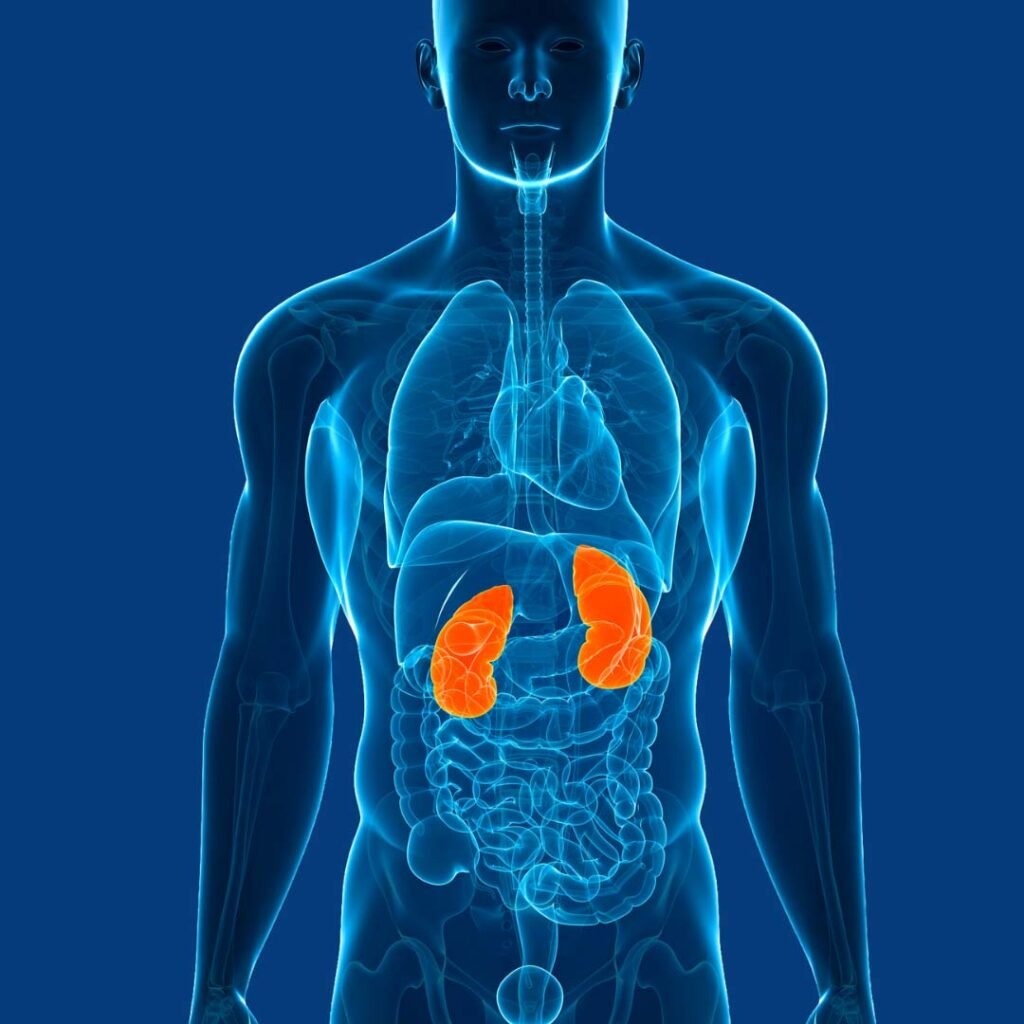
Kidney disease affects the kidneys’ ability to filter waste, often caused by diabetes, hypertension, or infections. Early diagnosis and treatment are essential to prevent long-term complications.