

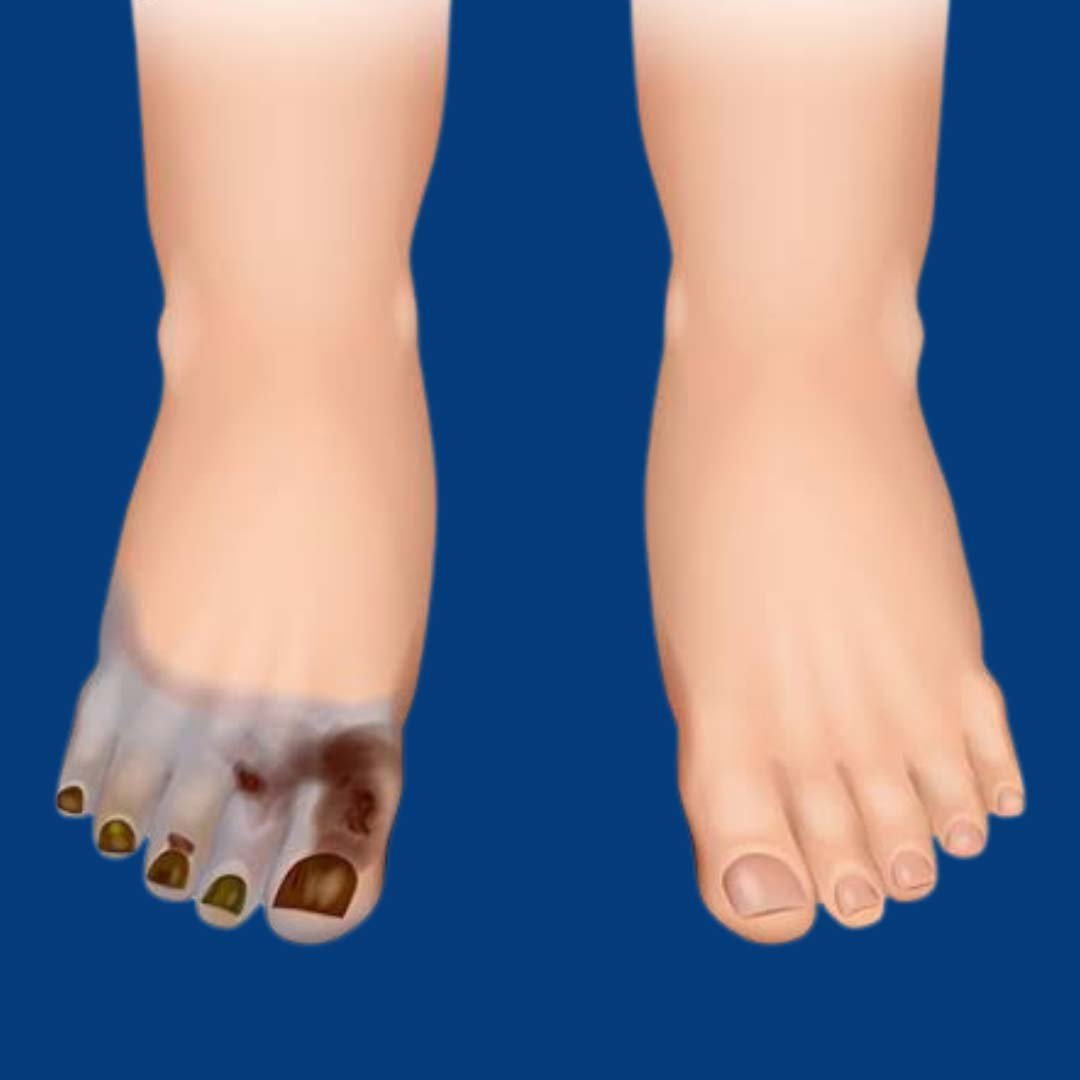
Clostridial myonecrosis, also known as gas gangrene, is a life-threatening condition caused by bacterial infection (mainly Clostridium species) that affects muscle tissue, leading to rapid tissue death and gas production. The infection often occurs after traumatic injury, surgery, or infection in areas with poor blood supply. Early diagnosis and treatment, including antibiotics and surgery, are essential, with physiotherapy playing a supportive role in rehabilitation post-treatment, improving mobility and function.
Causes of Clostridial Myonecrosis / Gas Gangrene:
- Trauma or deep wounds (e.g., fractures, surgery)
- Poor blood circulation or ischemia (e.g., in diabetic patients)
- Intravenous drug use (with unclean needles)
- Bacterial contamination in wounds (especially in contaminated soil)
- Clostridium infection spreading from nearby tissue or organs
Symptoms of Clostridial Myonecrosis / Gas Gangrene:
- Severe pain and swelling in the affected muscle
- Gas bubbles under the skin (crepitus) that produce a crackling sound
- Rapidly spreading tissue necrosis (blackened skin)
- Fever and shock
- Foul-smelling discharge from the wound
- Swelling and redness over the infected area
- Weakness or loss of function in the affected limb
If you are recovering from clostridial myonecrosis, MY PAIN CLINIC GLOBAL offers physiotherapy to help restore mobility and function during recovery. Contact us today to begin a rehabilitation plan tailored to your needs.