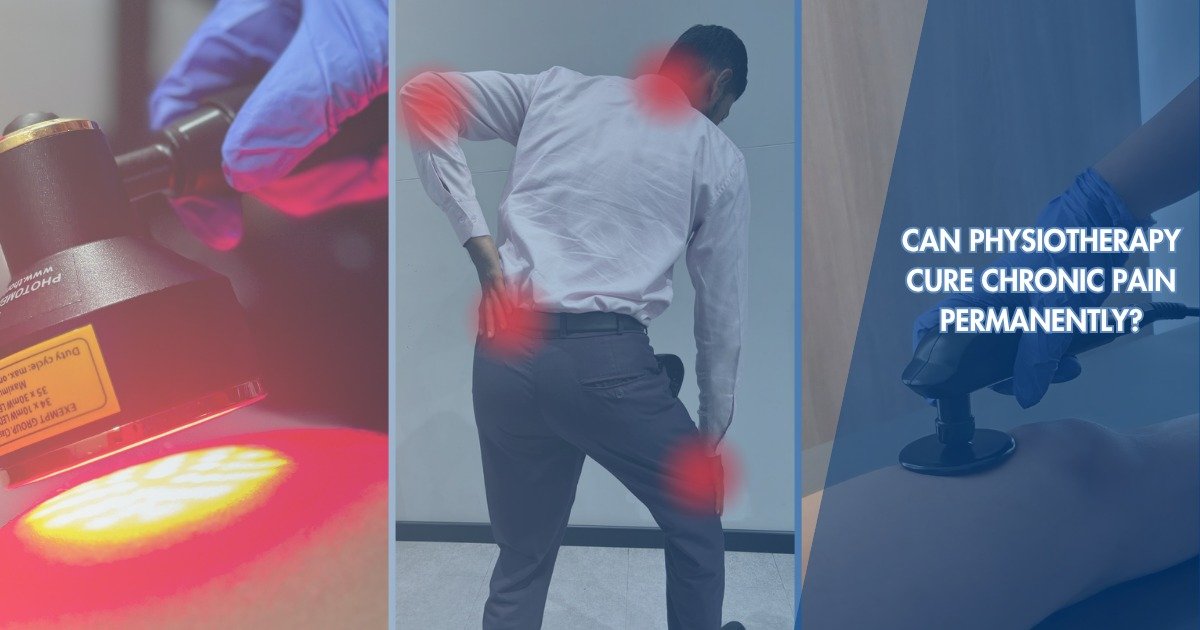
Chronic pain is a persistent condition that affects a large number of individuals, particularly those dealing with back pain, cervical issues, sciatica, knee pain, and shoulder stiffness. It is typically defined as pain lasting longer than three months and often continues even after the initial injury or cause has resolved.
A common and important question patients ask is whether physiotherapy can cure chronic pain permanently. The answer is nuanced. Physiotherapy can provide long-term and, in many cases, permanent relief, but the outcome depends on the underlying cause of the pain, the severity of the condition, and the patient’s commitment to treatment and lifestyle changes.
Understanding Chronic Pain
Chronic pain is not merely a symptom of tissue damage; it often involves deeper dysfunctions such as:
- Muscle imbalances
- Joint stiffness
- Poor posture
- Nerve sensitization
Over time, the body adapts to these dysfunctions, creating faulty movement patterns that perpetuate pain. This is why simply addressing symptoms with medication does not lead to lasting relief.
Physiotherapy, on the other hand, focuses on identifying and correcting these root causes.
How Physiotherapy Works for Long-Term Relief
A structured physiotherapy program works by restoring normal movement and function. This includes:
- Improving posture
- Correcting spinal alignment
- Strengthening weak muscle groups
- Releasing tight or overactive muscles
By addressing these factors, physiotherapy reduces mechanical stress on joints and nerves, which is often the primary driver of chronic pain. As the body begins to function correctly, pain naturally reduces and, in many cases, resolves completely.
Advanced Physiotherapy Treatments
Modern physiotherapy has advanced significantly with the integration of technology. Treatments include:
- Spine decompression therapy – helps relieve pressure on intervertebral discs and nerves
- Deep tissue thermotherapy – enhances blood circulation and promotes healing
- Robotic spine alignment systems – restore proper spinal mechanics with precision
- Photobiomodulation (laser therapy) – accelerates cellular repair and reduces inflammation
These modalities do not merely suppress pain but actively contribute to tissue healing and functional restoration.
The Role of Muscle Reconditioning
Another critical component of long-term recovery is muscle reconditioning. Chronic pain is frequently associated with weak stabilizing muscles, particularly in the core and around the spine.
Without correcting this weakness, pain is likely to recur. Physiotherapy incorporates targeted strengthening and stability training to ensure that the body can support itself efficiently during daily activities. This not only alleviates existing pain but also prevents future episodes.
Why Chronic Pain Can Return
It is also important to understand why chronic pain sometimes returns after treatment. The most common reasons include:
- Poor posture
- Prolonged sitting
- Lack of exercise
- Improper movement patterns
Physiotherapy provides both treatment and education, but maintaining the results requires ongoing effort from the patient. Consistency in exercises and lifestyle modifications is essential to sustain the benefits.
Physiotherapy vs Painkillers
When compared to painkillers, the difference in approach is significant:
- Pain medications provide temporary relief by masking symptoms
- Physiotherapy focuses on correcting the cause of pain
This leads to more durable outcomes without the risks associated with long-term medication use.
Conclusion
In conclusion, physiotherapy has the potential to provide permanent relief from chronic pain. The combination of targeted therapy, advanced technology, and patient commitment creates a strong foundation for long-term recovery.