Athletes live in a world where performance, speed, strength, and endurance define their identity. Whether it’s a professional athlete pushing boundaries or a fitness enthusiast engaging in regular training, injuries are an inevitable part of the journey. Sprains, muscle strains, ligament tears, tendon issues, joint overload, and chronic overuse conditions can disrupt training cycles and impact performance.
However, the good news is that sports injury physiotherapy has become far more advanced than ever before. Modern rehab centers like My Pain Clinic Global, Bandra West now combine hands-on physiotherapy with cutting-edge recovery technologies that accelerate healing and help athletes return to training stronger and safer.
This comprehensive guide explains how physiotherapy helps athletes bounce back, the science behind recovery, and how advanced therapies—such as ice bath, cryotherapy, red light therapy, PBM laser, acoustic wave therapy, magneto therapy, HBOT, gait analysis, and VO₂ Max testing—enhance rehabilitation.
Understanding Sports Injuries: Why Immediate Physiotherapy Matters
Sports injuries often fall into two categories:
1. Acute Injuries
- Sprains
- Muscle strains
- Ligament tears (ACL, ATFL, MCL)
- Fractures
- Dislocations
These happen suddenly, often due to trauma, landing poorly, twisting, or high-impact activity.
2. Overuse & Chronic Injuries
- Tendinitis
- Stress fractures
- Runner’s knee
- Shin splints
- Tennis/golfer’s elbow
These occur when tissues cannot keep up with repetitive stress.
Early physiotherapy intervention prevents inflammation from worsening, protects the injured area, restores mobility, and begins the repair process in a structured, safe manner.
At My Pain Clinic Global Bandra West, each athlete undergoes a detailed evaluation to understand the root cause—because long-term recovery requires more than just symptom relief.
How Physiotherapy Supports Complete Athletic Recovery
1. Pain Reduction & Tissue Healing
Physiotherapy uses electrotherapy, manual therapy, soft tissue mobilization, and advanced modalities to reduce swelling, improve circulation, and relieve pain. Early pain management is essential because unresolved pain alters movement patterns, leading to compensations and further injury.
2. Restoring Mobility, Strength & Flexibility
Stiff joints, weak muscles, and tight fascia are common after an injury. Rehabilitation includes:
- Mobility drills
- Muscle activation
- Stretching and flexibility training
- Strength and stability exercises
Gradually restoring full functional movement allows the athlete to regain their optimal performance level.
3. Correcting Biomechanics
Often, sports injuries are not isolated events—they occur because of faulty movement patterns. Physiotherapists assess posture, gait, running mechanics, lifting form, and sport-specific technique.
When combined with gait analysis, athletes get a complete picture of how their body moves and where inefficient mechanics may cause injury.
4. Progressive Sports-Specific Training
Every injury recovery plan is tailored differently. Physiotherapy progresses through phases:
- Pain & swelling control
- ROM & mobility restoration
- Strengthening
- Balance & neuromuscular training
- Sports-specific conditioning
- Return-to-play preparation
This structured progression ensures the athlete returns not only healed—but improved.
Advanced Sports Recovery Therapies at My Pain Clinic Global, Bandra West
Today’s athletes benefit immensely from evidence-based technologies that speed up tissue repair, reduce inflammation, and improve performance. Below are the most impactful recovery therapies integrated with sports rehab.
1. Ice Bath Therapy
Why athletes need it:
- Reduces inflammation and swelling
- Helps recovery after intense training sessions
- Flushes out lactic acid
- Relieves muscle soreness (DOMS)
Cold water causes blood vessels to constrict and reopen after the session, improving circulation and accelerating healing.
2. Cryotherapy
Cryotherapy uses gas-cooled or chamber technology.
Benefits:
- Quick pain relief
- Faster reduction in inflammation
- Accelerated muscle repair
- Improved recovery time between sessions
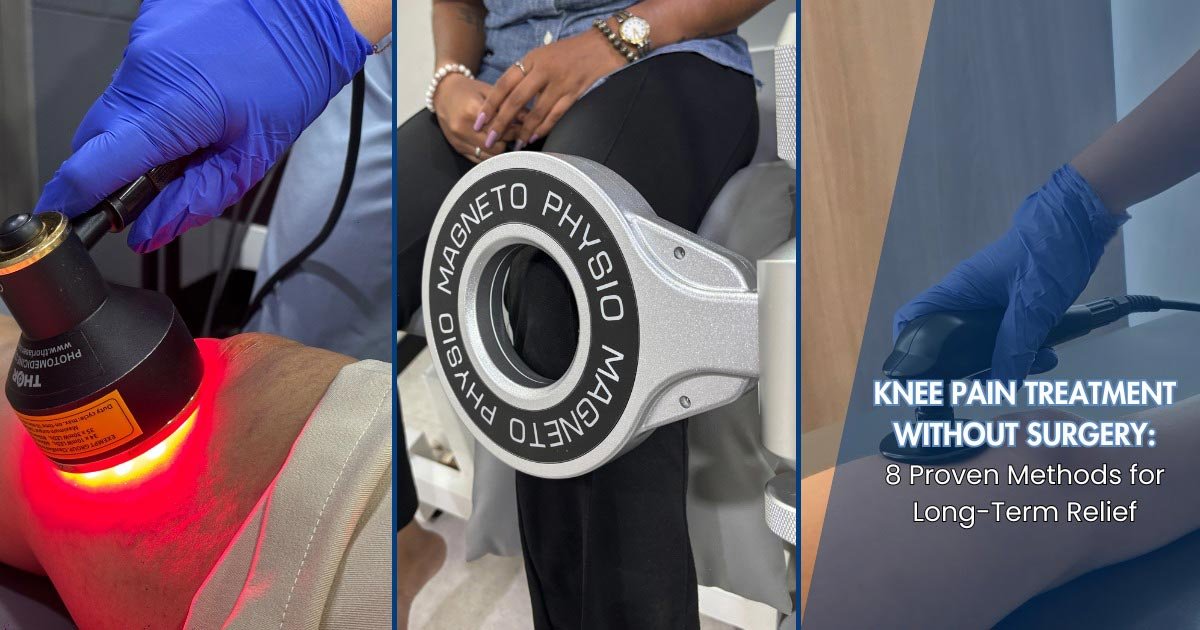
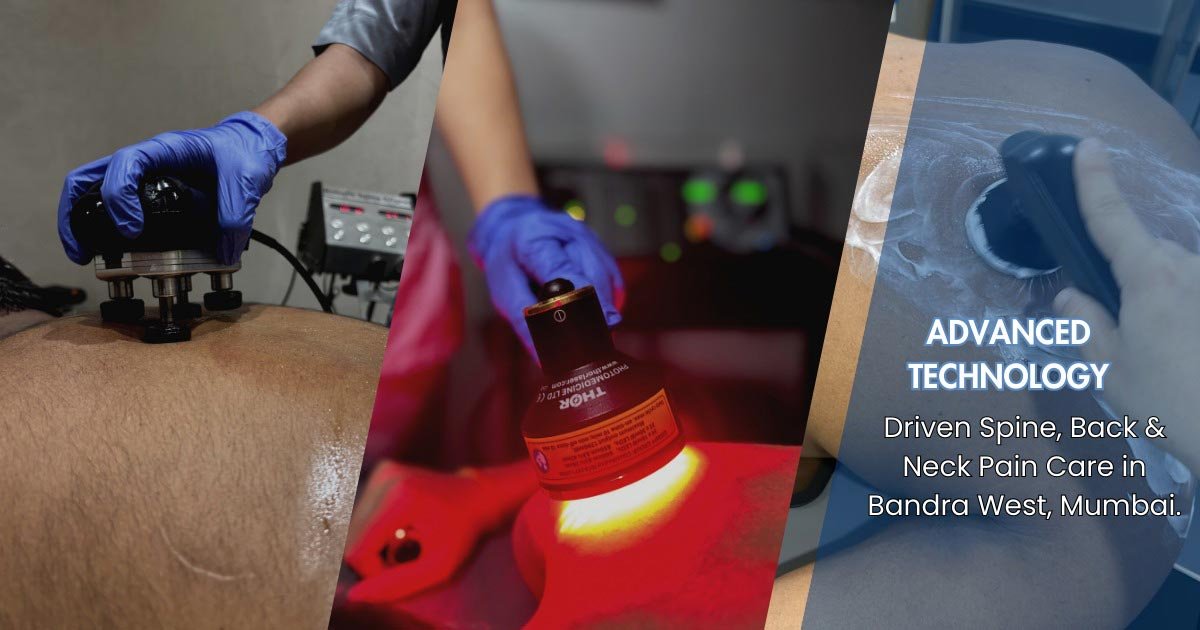
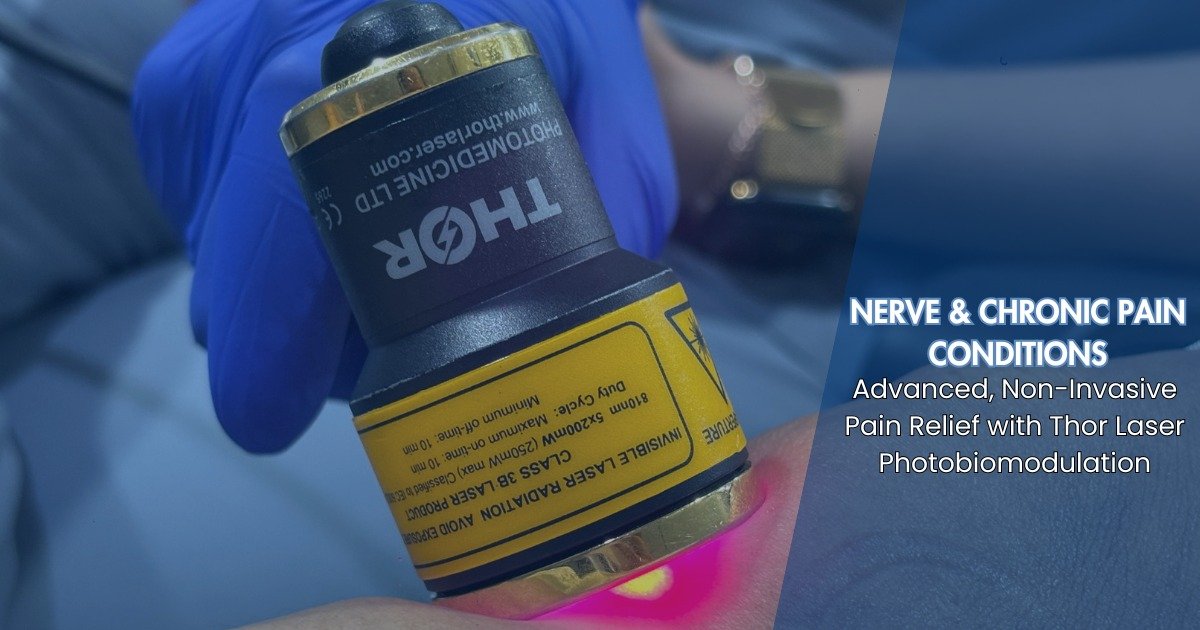
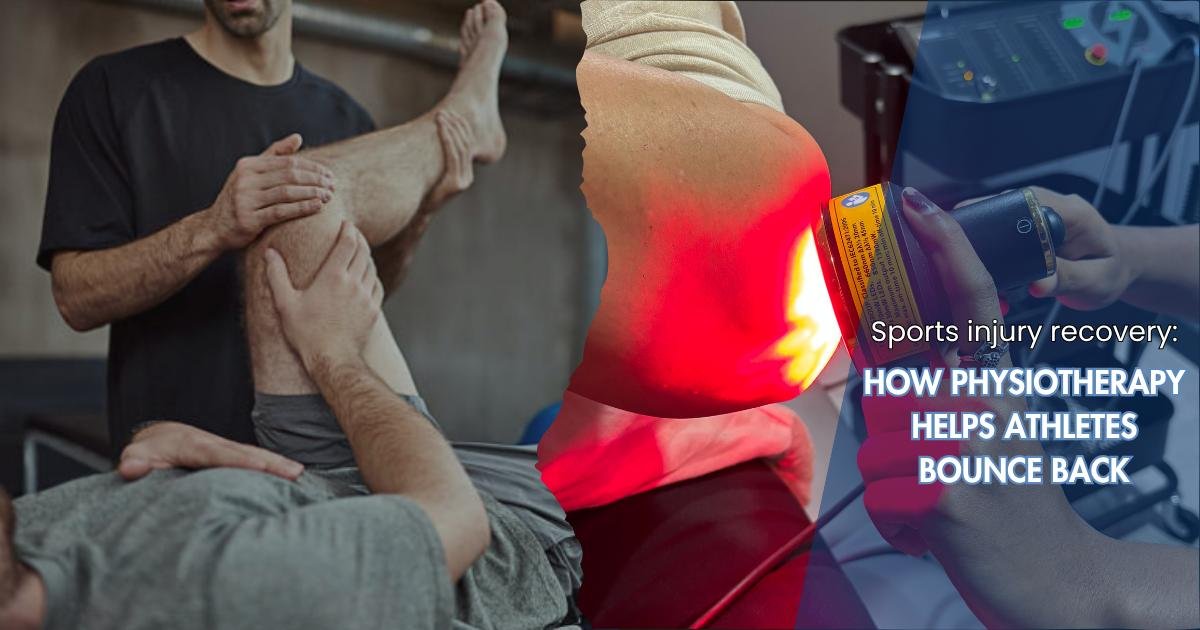
3. Red Light Therapy
Red light and near-infrared therapy stimulate cellular repair at a mitochondrial level.
Key benefits:
- Boosts tissue healing
- Reduces inflammation
- Improves collagen production
- Enhances muscle regeneration
- Speeds up tendon and ligament repair
4. Acoustic Wave Therapy
Best for:
- Plantar fasciitis
- Tennis elbow
- Runner’s knee
- Achilles tendinitis
- Shoulder impingement
It works by breaking scar tissue, stimulating blood flow, and activating natural healing.
5. Magneto Therapy
Helps with:
- Muscle spasms
- Deep tissue inflammation
- Osteoarthritis
- Back and spine issues
- Nerve injuries
Its non-invasive nature makes it ideal for athletes requiring fast relief.
6. HBOT (Hyperbaric Oxygen Therapy)
HBOT allows athletes to absorb 20–30 times more oxygen.
Benefits:
- Rapid muscle repair
- Faster healing of fractures and soft tissue
- Reduced inflammation
- Improved endurance
- Better post-training recovery
7. Gait Analysis
Helps identify:
- Incorrect landing techniques
- Hip-knee-ankle misalignment
- Overpronation or supination
- Muscle imbalances
- Poor stride mechanics
Correcting gait prevents recurring injuries and boosts performance.
8. Cardio Coach VO₂ Max Testing
Why athletes need it:
- Determines endurance levels
- Helps optimize training plans
- Improves speed and stamina
- Identifies aerobic vs anaerobic thresholds
Combined Approach: The Ultimate Formula for Faster, Stronger Recovery
A typical sports rehab plan may include:
- Physiotherapy + manual therapy
- Strengthening and mobility exercises
- Ice bath
- Cryotherapy
- PBM laser
- Acoustic wave therapy
- Magneto therapy
- HBOT
- Gait analysis
- VO₂ Max testing
This integrated model ensures complete and sustainable recovery.
Preventing Future Injuries: A Key Role of Physiotherapy
Physiotherapists educate athletes on:
- Warm-up routines
- Recovery rituals
- Mobility and flexibility
- Strength imbalance correction
- Posture correction
- Load management
- Technique refinement
Periodic gait analysis and VO₂ Max tests support long-term sports health.
Conclusion: Bounce Back Stronger With Modern Sports Injury Physiotherapy
Sports injuries can be mentally and physically challenging, but the right rehabilitation approach helps athletes return stronger, faster, and more confident.
With the combination of:
- evidence-based physiotherapy,
- sports rehab exercises,
- ice bath, cryotherapy, red light therapy, PBM laser,
- acoustic wave therapy, magneto therapy, HBOT,
- gait analysis, and VO₂ Max testing,
My Pain Clinic Global Bandra West offers a complete, advanced sports recovery ecosystem tailored for peak performance.