A Complete Guide to Physiotherapy, Pelvic Strengthening & Advanced Treatments
My Pain Clinic Global, Bandra (West), Mumbai
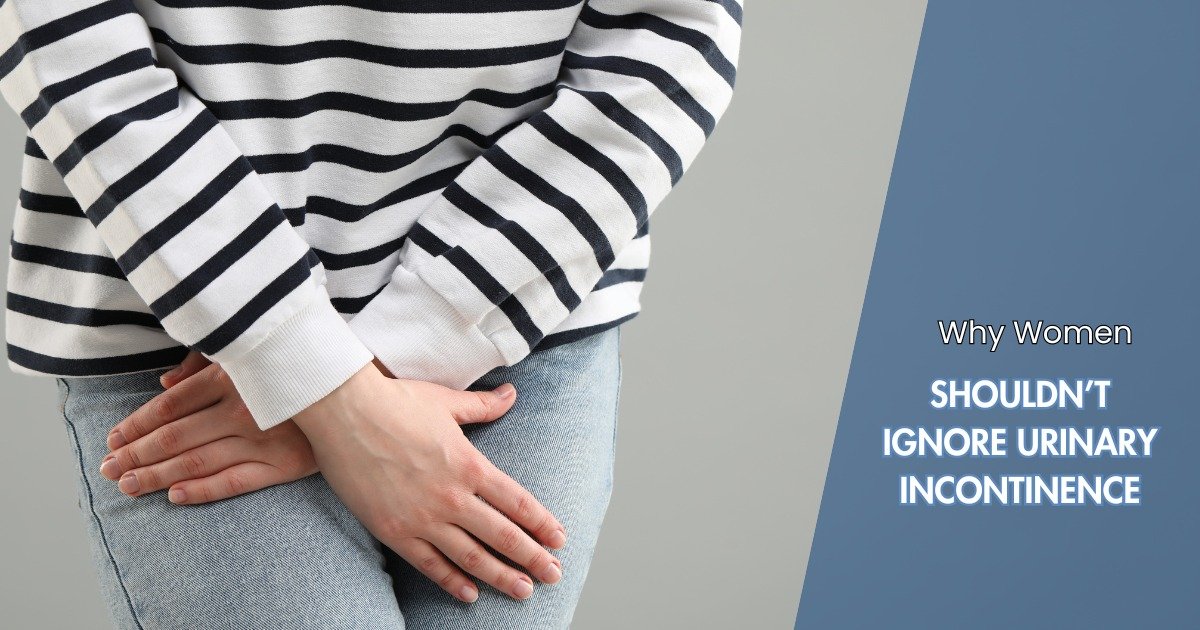
Urinary incontinence is one of the most common health concerns affecting women, yet it remains one of the most under-discussed. Whether it appears after childbirth, during menopause, with ageing, or even due to stress or lifestyle habits, many women quietly learn to “manage” it. They reduce water intake, avoid social situations, stop exercising, or constantly scout for nearby washrooms. However, urinary incontinence is not a condition that women should ignore. It is not normal, it is not something you must accept, and most importantly—it is treatable with the right physiotherapy and pelvic rehabilitation.
At My Pain Clinic Global, Bandra West, we specialise in evidence-based urinary incontinence physiotherapy, combining pelvic floor rehabilitation, bladder retraining, manual therapy, and advanced technologies to restore complete bladder control and pelvic health—without medicine or surgery.
Understanding Urinary Incontinence in Women
Urinary incontinence simply means involuntary leakage of urine, but the underlying cause is almost always related to pelvic floor muscle dysfunction. These muscles may become weak, overstretched, uncoordinated, or in some cases, too tight to perform properly. The pelvic floor is responsible for bladder support, core stability, and continence; when it stops functioning correctly, leakage occurs during daily activities like coughing, laughing, jumping, lifting, or even walking.
The most common forms of urinary incontinence include stress incontinence (leakage during exertion), urge incontinence (a sudden urge followed by leakage), mixed incontinence (a combination of both), and postpartum incontinence due to delivery-related muscle changes. All these forms respond extremely well to physiotherapy when addressed early.
Why You Should Never Ignore Urinary Incontinence
Ignoring urinary leakage can lead to gradual worsening of symptoms. The pelvic floor continues to weaken, bladder control reduces further, and urgency or frequency may increase. In addition, women often experience a decline in confidence—they stop laughing freely, hesitate during social events, or avoid travelling due to fear of leakage. Over time, urinary incontinence may also contribute to lower back pain, pelvic heaviness, and reduced core strength.
The most important fact is that urinary incontinence is not an inevitable part of ageing or childbirth. It is common, but it is not normal. Early physiotherapy can prevent the condition from becoming chronic and completely restore bladder control for most women.
How Physiotherapy Helps Women Regain Bladder Control
Physiotherapy remains the gold-standard treatment for urinary incontinence worldwide. It addresses the root cause by strengthening, coordinating, and retraining the pelvic floor, improving bladder habits, and correcting posture and core activation patterns.
At My Pain Clinic Global, our approach includes a detailed assessment of pelvic floor strength, endurance, coordination, breathing mechanics, posture, and daily habits. Treatment is then customised to your individual condition. Physiotherapy improves bladder holding capacity, reduces leakage episodes, restores pelvic stability, improves core strength, and enhances confidence in day-to-day activities. Most importantly, it empowers women to regain control naturally—without any medication.
Advanced Pelvic Rehabilitation at My Pain Clinic Global
We combine physiotherapy with advanced, globally recognised technologies to achieve faster and more reliable results. This makes our centre one of the most comprehensive pelvic rehab facilities in Mumbai.
Electromagnetic Pelvic Chair (Pelvic Floor Stimulation)
This is a breakthrough non-invasive treatment where the patient sits comfortably on a specialised electromagnetic chair that stimulates thousands of pelvic floor contractions within minutes. It strengthens weakened pelvic muscles far more intensely than regular Kegel exercises. Women who struggle to activate their pelvic floor correctly benefit greatly from this therapy.
Biofeedback Pelvic Training
Biofeedback visually shows how pelvic muscles contract and relax in real time. This helps women learn the correct technique, avoid overstraining, and improve muscle coordination. It is especially useful when the muscles are weak or unresponsive.
PBM Laser Therapy (Photobiomodulation)
PBM laser enhances pelvic healing by reducing inflammation, improving tissue regeneration, and supporting nerve recovery. It is extremely beneficial for women with chronic pelvic discomfort or postpartum inflammation.
Magneto Therapy (PEMF Therapy)
Pulsed electromagnetic fields help improve circulation, reduce inflammation, and support deeper pelvic muscle activation. This therapy accelerates the healing of pelvic tissues and enhances muscle coordination.
Red Light Therapy
Red light therapy promotes cellular repair and improves muscle recovery. It is particularly useful for women with postpartum pelvic weakness, chronic pelvic pain, or muscle fatigue.
Hyperbaric Oxygen Therapy (HBOT)
HBOT increases oxygen delivery to pelvic tissues, stimulates deep healing, and reduces inflammation. It supports faster recovery in chronic pelvic dysfunction and enhances overall tissue repair.
Manual Pelvic Floor Physiotherapy
Our women’s health physiotherapists use specialised internal and external techniques to release tight muscles, improve pelvic alignment, reduce pain, and restore healthy muscle function. This hands-on approach is essential for women with tightness-related incontinence or pelvic pain.
Pelvic Floor Muscle Strengthening & Core Rehab
Targeted exercises are prescribed to improve pelvic floor endurance, core activation, and coordination. This includes graded Kegel progressions, core retraining, breathing coordination, and functional strengthening.
Bladder Training & Habit Correction
We educate women on healthy bladder habits, urge control strategies, fluid timing, and techniques to reduce urgency and frequency.
Postpartum Pelvic Recovery Program
Designed specifically for mothers, this program helps restore pelvic strength, posture, abdominal integrity, and bladder control after delivery.
Bladder Control Exercises Women Should Learn
While exercises may sound simple, they must be taught and progressed correctly. We teach women how to activate the pelvic floor without over-tightening, how to coordinate breathing with muscle contraction, and how to integrate pelvic strength into daily activities like lifting, walking, and exercising.
When Should You Seek Pelvic Physiotherapy?
You should consult a physiotherapist if you experience leakage while coughing, laughing, sneezing, jumping, or exercising. Similarly, urgency, frequent urination, reduced bladder control after childbirth, pelvic pressure, or even lower back pain with pelvic weakness indicates the need for a pelvic floor assessment. Early intervention ensures faster and fuller recovery.
Why Women Trust My Pain Clinic Global for Pelvic Rehab
Women choose our centre because we offer a private, comfortable, and specialised environment with trained women’s health physiotherapists. Our approach is completely non-invasive, personalised, and supported by advanced rehabilitation technology. Located conveniently in Bandra West, we provide some of the most advanced pelvic treatments available in Mumbai.
Book Your Pelvic Rehab Assessment
My Pain Clinic Global
B-1, V. N. Sphere Mall, Linking Road,
Bandra (W), Mumbai – 400050