
Plantar Fasciitis – Causes, Treatment & Exercises
Plantar fasciitis is one of the most common causes of heel pain, especially in individuals who spend long hours standing, walking, or engaging in physical activity. It occurs when the plantar fascia—a thick band of tissue connecting the heel to the toes—becomes inflamed due to repetitive stress. The condition often presents as sharp heel pain, particularly during the first steps in the morning.
At My Pain Clinic Global, Bandra West, Mumbai, recognized as one of the best physiotherapy centres in Mumbai, plantar fasciitis is treated using advanced physiotherapy techniques, for faster and more effective recovery.
What Causes Plantar Fasciitis?
Plantar fasciitis develops due to excessive strain on the plantar fascia over time. Common contributing factors include:
- Prolonged standing
- Walking on hard surfaces
- Poor footwear lacking proper arch support
- Abnormal foot mechanics such as flat feet or high arches
Tight calf muscles and Achilles tendon stiffness increase tension on the plantar fascia, making it more susceptible to injury. Sudden increases in physical activity, weight gain, and poor posture can further aggravate the condition.
In many cases, incorrect walking patterns lead to uneven load distribution across the foot, worsening heel pain. This is often seen in patients also experiencing issues like knee pain while walking due to improper biomechanics.
Common Symptoms
The hallmark symptom of plantar fasciitis is sharp, stabbing pain at the bottom of the heel. This pain is usually most intense:
- During the first steps in the morning
- After prolonged rest
It may decrease with movement but often returns after long periods of standing or walking.
Some patients also experience:
- Tightness in the foot arch
- Discomfort after activity
If left untreated, the condition can become chronic and significantly affect mobility.
Advanced Physiotherapy Treatment
At My Pain Clinic Global, Bandra West Mumbai – a top physiotherapy clinic in Mumbai, treatment focuses on addressing the root cause of the condition while accelerating tissue healing.
A detailed assessment is conducted to evaluate:
- Foot biomechanics
- Posture
- Muscle tightness
Based on this, a personalized treatment plan is created.
Advanced modalities used include:
Acoustic Wave Therapy (Shock Wave Therapy)
This is one of the most effective treatments for chronic plantar fasciitis. It delivers controlled high-energy sound waves to the affected area, which:
- Stimulate tissue healing
- Break down chronic inflammation
- Improve blood circulation
- Reduce pain significantly
Shock wave therapy is especially useful in cases where heel pain has been present for a long time and has not responded to conventional treatment. Learn more about shock wave therapy for heel pain.
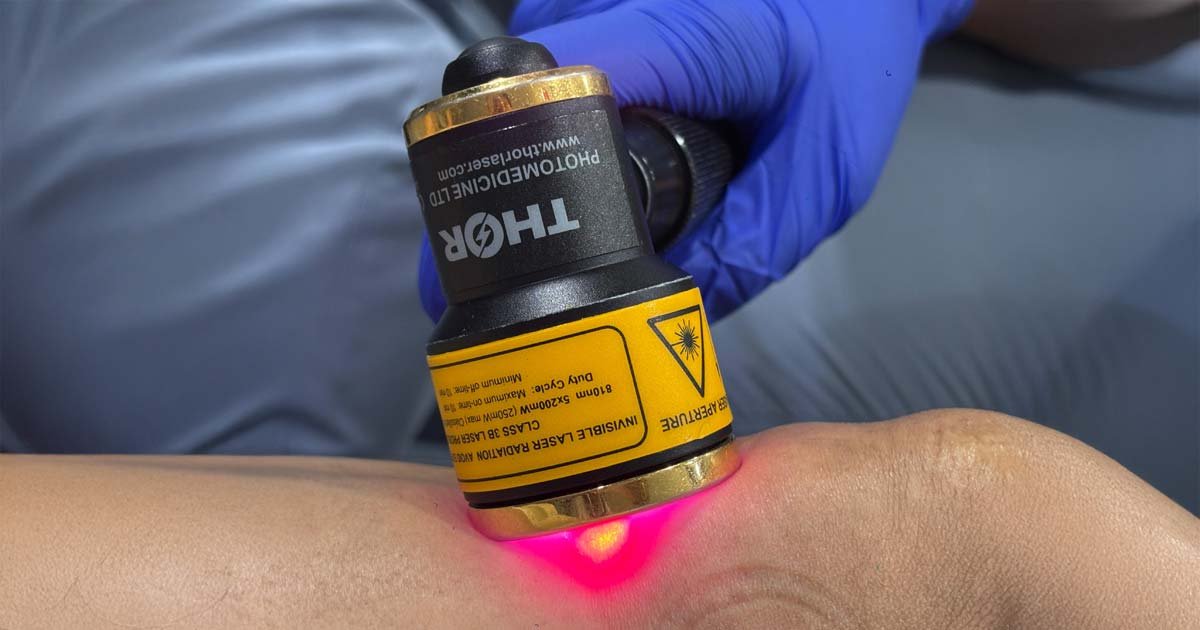
Photobiomodulation (Laser Therapy)
Helps reduce inflammation and accelerates cellular repair.
Deep Tissue Thermotherapy
Improves blood flow and reduces stiffness in surrounding muscles.
Manual therapy techniques are also used to release tight calf muscles and improve foot mobility. In addition, corrective exercises are prescribed to restore proper function.
Effective Exercises for Plantar Fasciitis
Exercise plays a crucial role in recovery and prevention. Regular practice helps reduce strain on the plantar fascia and improves overall foot mechanics.
- Calf stretching is essential to reduce tension on the heel.
- Stretching the plantar fascia, especially before getting out of bed, can significantly reduce morning pain.
Strengthening exercises such as:
- Towel curls
- Toe gripping
help build intrinsic foot muscles, improving arch support.
Rolling the foot over a cold bottle or massage ball helps relieve pain and reduce inflammation after activity. You can also explore more physiotherapy exercises for pain relief.
Prevention Tips
Preventing plantar fasciitis involves maintaining proper foot support and reducing excessive strain.
- Wearing supportive footwear with good arch support is critical
- Avoid walking barefoot on hard surfaces for long durations
Gradually increasing activity levels, maintaining flexibility in the calf muscles, and managing body weight can help prevent recurrence.
Attention to posture and walking mechanics is equally important.
When to Seek Treatment
If heel pain:
- Persists for more than a few days
- Worsens over time
- Interferes with daily activities
professional care should be sought.
Early physiotherapy intervention can prevent chronic pain and long-term complications. Patients dealing with nerve-related pain conditions like sciatica treatment without surgery can also benefit from early physiotherapy.
At My Pain Clinic Global, Bandra West, Mumbai, known as one of the leading physiotherapy clinics in Bandra West Mumbai, patients receive advanced, non-surgical treatment including shock wave therapy for effective and lasting relief.
Conclusion
Plantar fasciitis is a common but highly treatable condition. With the integration of Acoustic Wave Therapy (Shock Wave Therapy) and advanced physiotherapy, recovery can be faster and more effective, even in chronic cases.
By combining targeted treatment, corrective exercises, and lifestyle modifications, most patients can achieve complete relief without injections or surgery.
For individuals seeking the best plantar fasciitis treatment in Mumbai, My Pain Clinic Global offers a comprehensive and advanced approach to long-term recovery.