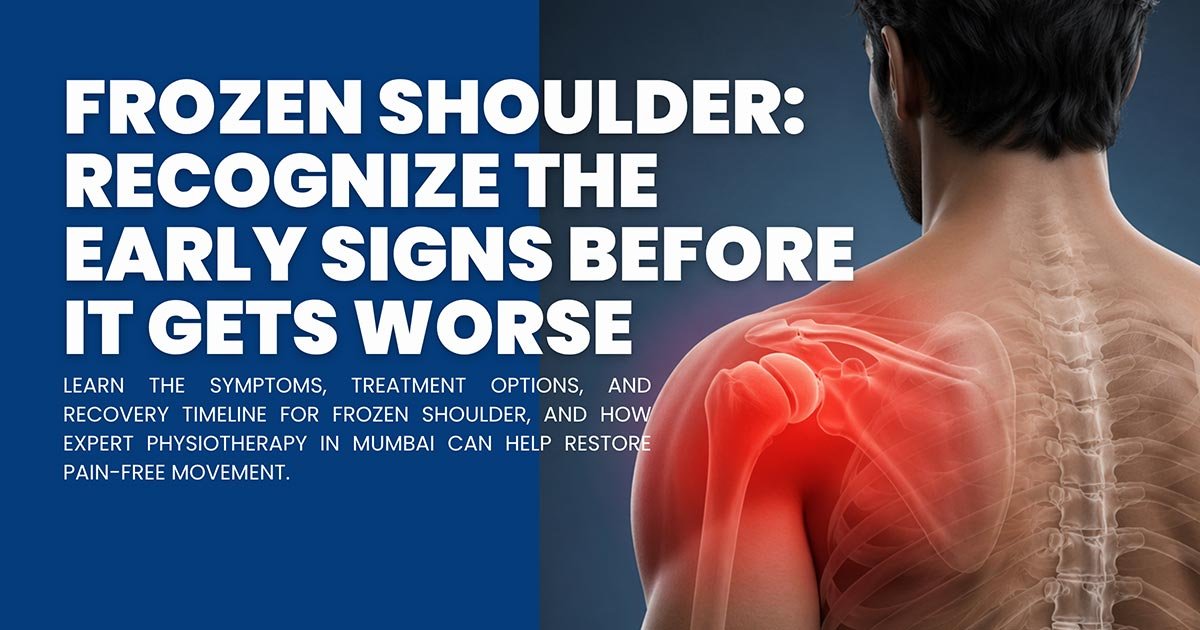
Frozen shoulder, medically known as adhesive capsulitis, is a condition that causes progressive pain, stiffness, and loss of movement in the shoulder joint.
Everyday activities such as reaching overhead, getting dressed, lifting objects, driving, or even sleeping comfortably can become increasingly difficult as the condition progresses.
Many people assume shoulder pain will resolve on its own with rest. However, frozen shoulder often worsens over time if left untreated, leading to prolonged discomfort and significant restrictions in movement. Early diagnosis and appropriate treatment can help reduce pain, improve mobility, and accelerate recovery.
If you are looking for the best frozen shoulder treatment in Mumbai, top-rated shoulder pain physiotherapy in Bandra West, or expert rehabilitation for shoulder stiffness, early intervention is essential for achieving optimal recovery outcomes.
What Is Frozen Shoulder?
Frozen shoulder occurs when the capsule surrounding the shoulder joint becomes inflamed, thickened, and tight. Over time, scar tissue may develop within the joint capsule, reducing the available space for movement and causing progressive stiffness.
The condition typically develops gradually and can persist for months or even years if not properly managed. Although frozen shoulder can affect anyone, it is most commonly seen in individuals between the ages of 40 and 60.
What Causes Frozen Shoulder?
The exact cause of frozen shoulder is not always clear. However, several factors may increase the likelihood of developing the condition.
Prolonged Immobilization
Keeping the shoulder immobilized following surgery, injury, or fracture can significantly increase the risk of developing stiffness and restricted movement.
Diabetes
Individuals with diabetes are at a higher risk of developing frozen shoulder, and symptoms may be more severe and prolonged.
Thyroid Disorders
Both hypothyroidism and hyperthyroidism have been associated with an increased incidence of frozen shoulder.
Previous Shoulder Injuries
Rotator cuff injuries, shoulder impingement, and other shoulder conditions can sometimes contribute to the development of adhesive capsulitis.
Age and Lifestyle Factors
The condition is most commonly diagnosed in middle-aged adults and may be influenced by reduced activity levels and underlying health conditions.
Early Signs of Frozen Shoulder
Frozen shoulder often begins gradually, making it easy to overlook the early symptoms.
Common Warning Signs Include:
- Shoulder pain that gradually worsens
- Pain when reaching overhead
- Difficulty reaching behind the back
- Stiffness while dressing
- Difficulty fastening clothing
- Pain when lying on the affected side
- Reduced range of shoulder motion
- Difficulty performing daily activities
Recognizing these symptoms early can lead to earlier intervention and improved outcomes.
The Three Stages of Frozen Shoulder
Stage 1: Freezing Stage
The freezing stage is characterized by increasing pain and gradually worsening stiffness. Many individuals begin noticing limitations during routine activities and experience discomfort at night.
This phase can last several weeks to several months.
Stage 2: Frozen Stage
Pain may begin to decrease during this stage, but shoulder stiffness becomes more significant. Range of motion is often severely restricted, making everyday tasks increasingly difficult.
This stage can last several months.
Stage 3: Thawing Stage
During the thawing stage, shoulder mobility gradually improves. With appropriate rehabilitation, patients typically experience progressive improvements in function and comfort.
Recovery during this phase may continue for several months.
How Is Frozen Shoulder Diagnosed?
Diagnosis typically begins with a comprehensive physical examination. Your clinician will assess shoulder movement, strength, posture, and functional limitations.
Imaging studies such as X-rays or MRI scans may sometimes be recommended to rule out other causes of shoulder pain and stiffness.
Why Early Treatment Is Important
Many people attempt to tolerate frozen shoulder symptoms in the hope that the condition will resolve independently. Unfortunately, delaying treatment often results in greater stiffness, longer recovery periods, and more significant functional limitations.
Early intervention helps maintain mobility, manage pain, and reduce the likelihood of prolonged disability. Seeking care from a top-rated frozen shoulder specialist in Mumbai and working with an experienced physiotherapy team can significantly improve recovery outcomes, reduce pain, and restore shoulder mobility faster.
Treatment Options for Frozen Shoulder
Successful frozen shoulder treatment requires a comprehensive approach focused on reducing pain, restoring mobility, and improving function.
Physiotherapy
Physiotherapy remains one of the most effective treatments for frozen shoulder. Through individualized rehabilitation programs, patients can gradually improve flexibility, mobility, strength, and shoulder function.
A structured physiotherapy program also helps reduce compensatory movement patterns that may place additional strain on the neck, upper back, and surrounding muscles.
For many patients, physiotherapy remains the gold standard and most effective non-surgical frozen shoulder treatment available. Working with a top-rated physiotherapy clinic in Mumbai ensures that rehabilitation is tailored to the stage of the condition and individual recovery goals.
Manual Therapy
Manual therapy techniques can help improve joint mobility and reduce restrictions within the shoulder capsule. These hands-on treatments are often used alongside therapeutic exercise to maximize improvements in movement.
Regular manual therapy sessions can assist in restoring normal shoulder mechanics and reducing stiffness.
Exercise Therapy
Targeted exercises play a critical role in improving range of motion and preventing further loss of mobility. Exercise programs are carefully progressed based on the stage and severity of the condition.
Consistency is often one of the most important factors influencing recovery outcomes.
Shockwave Therapy
Shockwave Therapy utilizes acoustic energy to stimulate tissue healing and improve circulation. It may help reduce pain, support recovery, and improve tissue health when incorporated into a comprehensive treatment plan.
For some patients, Shockwave Therapy can be a valuable addition to traditional rehabilitation approaches.
Photobiomodulation Therapy
Photobiomodulation Therapy uses specific wavelengths of red and near-infrared light to stimulate cellular repair and healing. This non-invasive modality may help reduce inflammation, improve tissue recovery, and support pain management.
By enhancing cellular function, Photobiomodulation Therapy may contribute to improved rehabilitation outcomes.
Hyperbaric Oxygen Therapy (HBOT)
Hyperbaric Oxygen Therapy involves breathing concentrated oxygen in a pressurized environment, allowing increased oxygen delivery throughout the body. Enhanced oxygen availability may support tissue healing, reduce inflammation, and improve recovery processes.
HBOT can be integrated into broader rehabilitation programs to support overall healing and recovery.
Red Light Therapy
Red Light Therapy may help improve circulation and support cellular repair processes. It is frequently incorporated into rehabilitation programs to complement other treatment modalities and enhance recovery.
Many patients find it beneficial as part of a multimodal approach to pain management.
Cryotherapy
Cryotherapy involves short-term exposure to extremely cold temperatures to help reduce inflammation and discomfort. It may assist in managing pain and supporting recovery during various stages of rehabilitation.
Cryotherapy is often used by individuals seeking non-invasive recovery solutions.
EMS Training
Electro Muscle Stimulation (EMS) Training may help activate muscles that have become weak due to pain, inactivity, or movement limitations. EMS can be useful during rehabilitation when traditional strengthening exercises need to be modified.
Improved muscle activation can contribute to better shoulder function and overall recovery.
Postural Correction and Movement Re-Education
Poor posture often contributes to abnormal shoulder mechanics and increased stress on surrounding structures. Postural correction programs help improve alignment and movement efficiency.
Optimizing posture can reduce strain on the shoulder and support long-term recovery.
Recovery Timeline
One of the most common questions patients ask is how long frozen shoulder takes to heal.
Recovery varies significantly between individuals and depends on factors such as:
- Severity of stiffness
- Duration of symptoms
- Underlying medical conditions
- Consistency of rehabilitation
- Overall health and activity levels
While some individuals improve within several months, others may require a year or longer to achieve full recovery. Early intervention and consistent treatment often contribute to faster outcomes.
Patients who begin treatment early at a specialized shoulder rehabilitation center in Mumbai often experience better outcomes compared to those who delay treatment. Consistency with physiotherapy and rehabilitation remains one of the most important factors influencing recovery speed.
Preventing Long-Term Shoulder Stiffness
Although frozen shoulder cannot always be prevented, several strategies may help reduce the risk of prolonged stiffness:
- Maintain shoulder mobility following injury
- Begin rehabilitation early after surgery
- Address shoulder pain promptly
- Maintain good posture
- Stay physically active
- Follow prescribed rehabilitation programs
These proactive measures can help support healthy shoulder function and reduce the likelihood of long-term complications.
Why Choose My Pain Clinic Global?
At My Pain Clinic Global, frozen shoulder treatment is approached through a comprehensive and individualized rehabilitation strategy. Recognized by many patients as one of the best physiotherapy clinics in Mumbai, our team combines evidence-based physiotherapy, manual therapy, advanced recovery technologies, movement correction, and performance-focused rehabilitation to help patients regain mobility and confidence.
By integrating Physiotherapy, Shockwave Therapy, Photobiomodulation Therapy, Hyperbaric Oxygen Therapy (HBOT), Red Light Therapy, Cryotherapy, EMS Training, and structured exercise rehabilitation, we create personalized treatment plans designed to optimize recovery and restore function.
Our commitment to clinical excellence, patient-centered care, and advanced rehabilitation has made us a trusted choice for individuals seeking the best frozen shoulder treatment in Mumbai, shoulder pain physiotherapy in Bandra West, and top-rated physiotherapy services for long-term recovery.
Conclusion
Frozen shoulder can significantly affect quality of life, making even simple daily activities challenging. However, with early diagnosis, appropriate treatment, and a structured rehabilitation program, most patients can achieve substantial improvements in pain, mobility, and function.
If you are experiencing shoulder pain, stiffness, or restricted movement, seeking professional assessment early may help prevent worsening symptoms and support a faster, more effective recovery. For those searching for the best frozen shoulder treatment in Mumbai, top-rated physiotherapy in Bandra West, or expert shoulder rehabilitation services, personalized treatment and evidence-based care can make a significant difference in your recovery journey.